If you reheat lunch in a microwave, consider a plastic box labeled for microwave use. Stainless steel is an option if you want to limit lingering food odors, while wood suits people who enjoy its grain and texture and are happy to wash it by hand. The most practical choice depends on the facilities where you eat and the time you have to wash and dry the box when you get home.
Material alone does not determine everything. Capacity and thickness affect weight, while seals and lid construction affect cleaning. Wooden boxes also need to be compared by finish, since unfinished wood, lacquer, and urethane coatings require different care.

Comparing the materials on the same terms
This comparison covers ordinary lunch boxes rather than insulated food jars. The individual product's instructions take priority for microwave and dishwasher use.
| Factor | Plastic | Stainless steel | Wood |
|---|---|---|---|
| Weight | Lightweight options are easy to find. Check the lid and clips too | Varies with thickness and number of tiers. Thin single-tier boxes are also an option | Bentwood boxes can be light. Thickness and construction matter |
| Microwave use | Compatible models are available. Check lids and inner lids separately | Generally unsuitable. Use only explicitly compatible products under their specified conditions | Many are unsuitable. Check specified conditions for explicitly compatible models |
| Odors and staining | Some foods can leave odors or stains | The body resists lingering odors. Wash seals separately | Depends on finish and food. Preferences for the wood's own scent vary |
| Cleaning | Dishwasher-safe models exist. Check each part | Check care instructions for the lid and clips as well as the body | Hand washing and thorough drying are the basics. Detergent suitability varies by product |
| Leaks | Depends on the seal and locking mechanism | Depends on the seal and locking mechanism | Many boxes with loose-fitting lids are not sealed |
Compare weight at the same capacity, including all parts
Plastic is an option when low weight matters, but some wooden boxes are light too. A thick two-tier stainless steel box feels different to carry from a thin single-tier one. Ranking materials by weight alone can lead to a poor choice when comparing actual products.
Compare boxes of the same capacity and check whether the listed weight includes the lid, divider, band, and other parts. At equal capacity, a wide box and a tall one fit differently in a bag. If you also carry an insulated lunch bag and cutlery, consider whether the complete set is comfortable to carry.
For a process to narrow down capacity and outside dimensions, see How to choose a lunch box.
Check which plastic parts can be reheated
A microwave-safe plastic box is a practical option if you reheat lunch at work or school. A compatible body does not mean that the lid, inner lid, and divider can all be used under the same conditions. Check which parts to remove, permitted power settings, and heating-time limits.
A heat-resistance temperature alone does not establish microwave compatibility. Some products prohibit heating oily foods or small portions. Read the microwave label together with the precautions.
Strongly colored or scented foods can leave stains or odors. Wash the box promptly after use and follow its care instructions instead of scrubbing forcefully with abrasives or a stiff scourer.


Treat the stainless steel body and lid as separate cleaning tasks
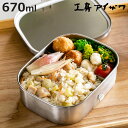
Stainless steel is an option if lingering odors in the body bother you. Even with a steel body, the lid and seal may be made from plastic or rubber. Check whether the seal comes out and whether a sponge can reach the grooves, so cleaning does not stop at the body.
Ordinary stainless steel lunch boxes cannot go in a microwave. Some products explicitly allow microwave use, but they must be used only under their specified conditions. With an incompatible box, decide whether transferring lunch to a microwave-safe plate is acceptable. Check the product's dishwasher instructions for the lid and clips too, rather than deciding by material alone.
A metal box does not automatically keep food warm. If heat retention matters, consider a product with specified insulation construction and heat-retention performance separately from an ordinary single-wall box.

Wood requires attention to finish and drying time
Wooden lunch boxes, including Japanese bentwood boxes known as magewappa, suit people who like wood grain and texture and enjoy caring for the box after use. Unfinished wood, lacquer, and urethane coatings have different surfaces. Claims about wood absorbing excess moisture cannot be applied to every coated product.
The basics are hand washing with a soft sponge, wiping off water, and drying thoroughly. Some products allow dish detergent, but check the specified method for unfinished wood and other finishes. Do not assume prolonged soaking is allowed. Follow the instructions for removing stuck rice too.
Closing the lid after washing hinders drying inside. Consider whether you have somewhere to let the box dry fully before morning and whether you can hand wash it even when you get home late. Those details help determine whether it suits daily use.
Many wooden boxes are unsuitable for microwaves and dishwashers, although explicitly compatible products also exist. Check the heating and washing conditions for the product you buy instead of inferring them from general magewappa care.


Leaks and the number of parts also affect everyday use
For both plastic and stainless steel, leak resistance depends on the combination of lid, seal, and locks. Even a product described as tightly sealed needs separate checks for carrying liquids or traveling on its side. A band holding down a loose-fitting wooden lid does not turn the box into a sealed container.
Drain excess liquid from side dishes and choose a shape that can sit level in your bag. For soup, a separate sealed container explicitly designed for that purpose makes it easier to use each container appropriately.
Counting the parts helps you picture the daily workload. A full cleaning cycle includes removing the body, lid, inner lid, divider, and seal as applicable, washing and drying them, and putting them back together. Check each candidate for the following:
- Do you need to reheat lunch, and which parts must come off?
- Do the dimensions and weight, including the lid and accessories, suit your usual bag?
- Can the seal be removed for washing, and are replacement parts available?
- Which parts can go in a dishwasher, and which need hand washing?
- For wood, are the finish, detergent restrictions, and drying method clear?
If reheating lunch is essential, start with microwave-compatible products. If you eat it without reheating, resistance to lingering odors and preferences such as the feel of wood can also guide your choice. Picture the washing routine after you get home and the drying time before morning, then choose a box you can keep using.